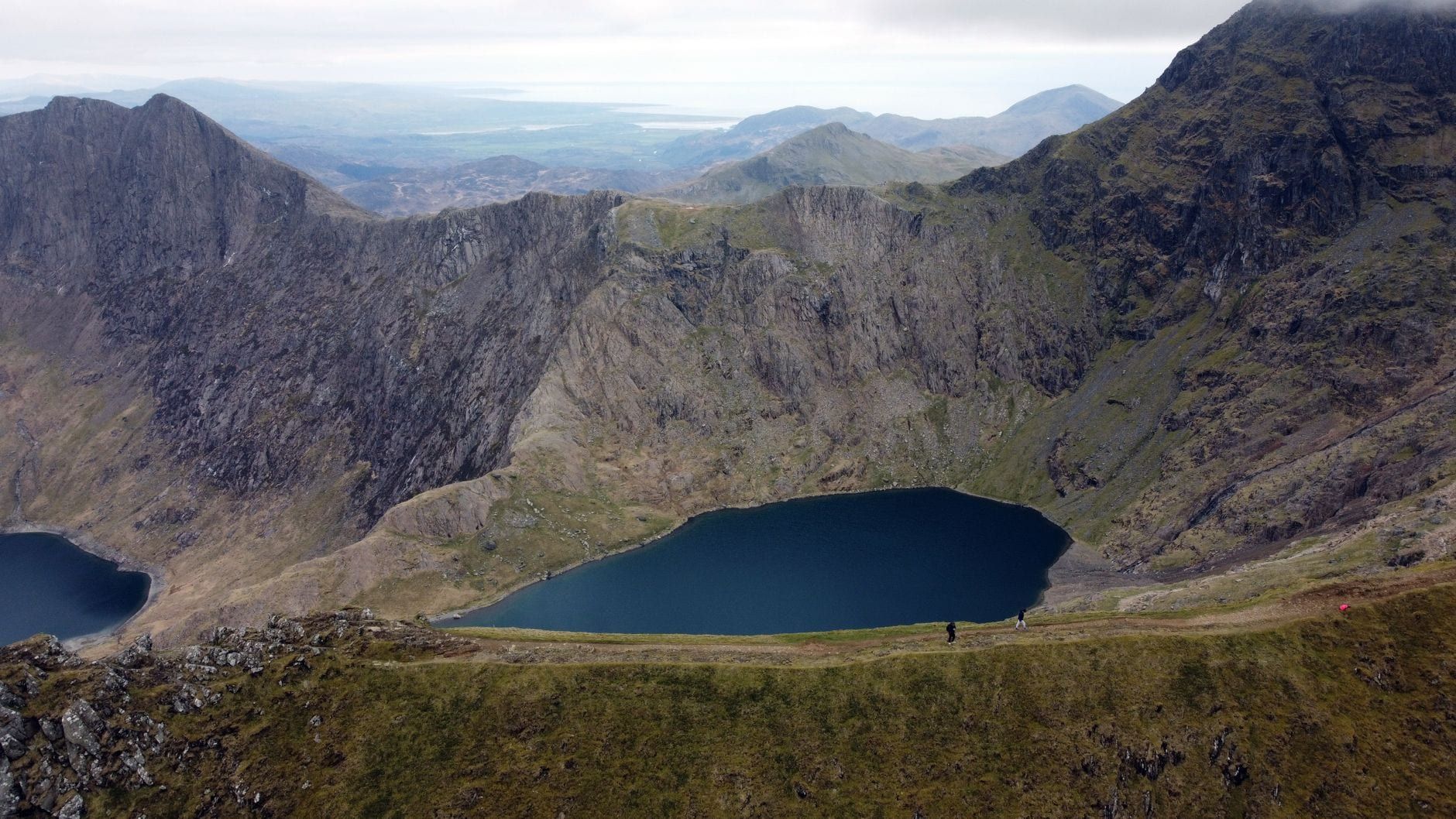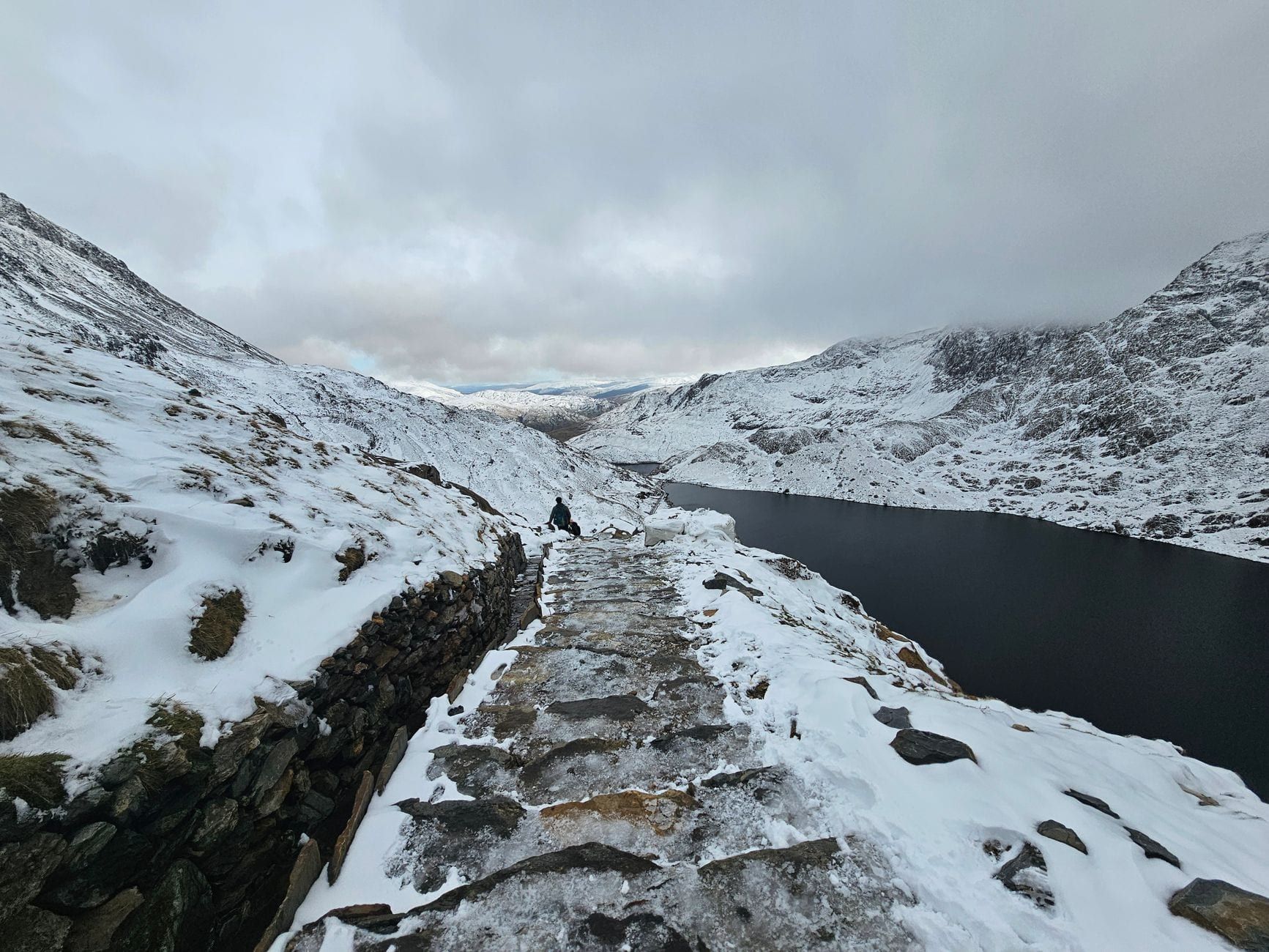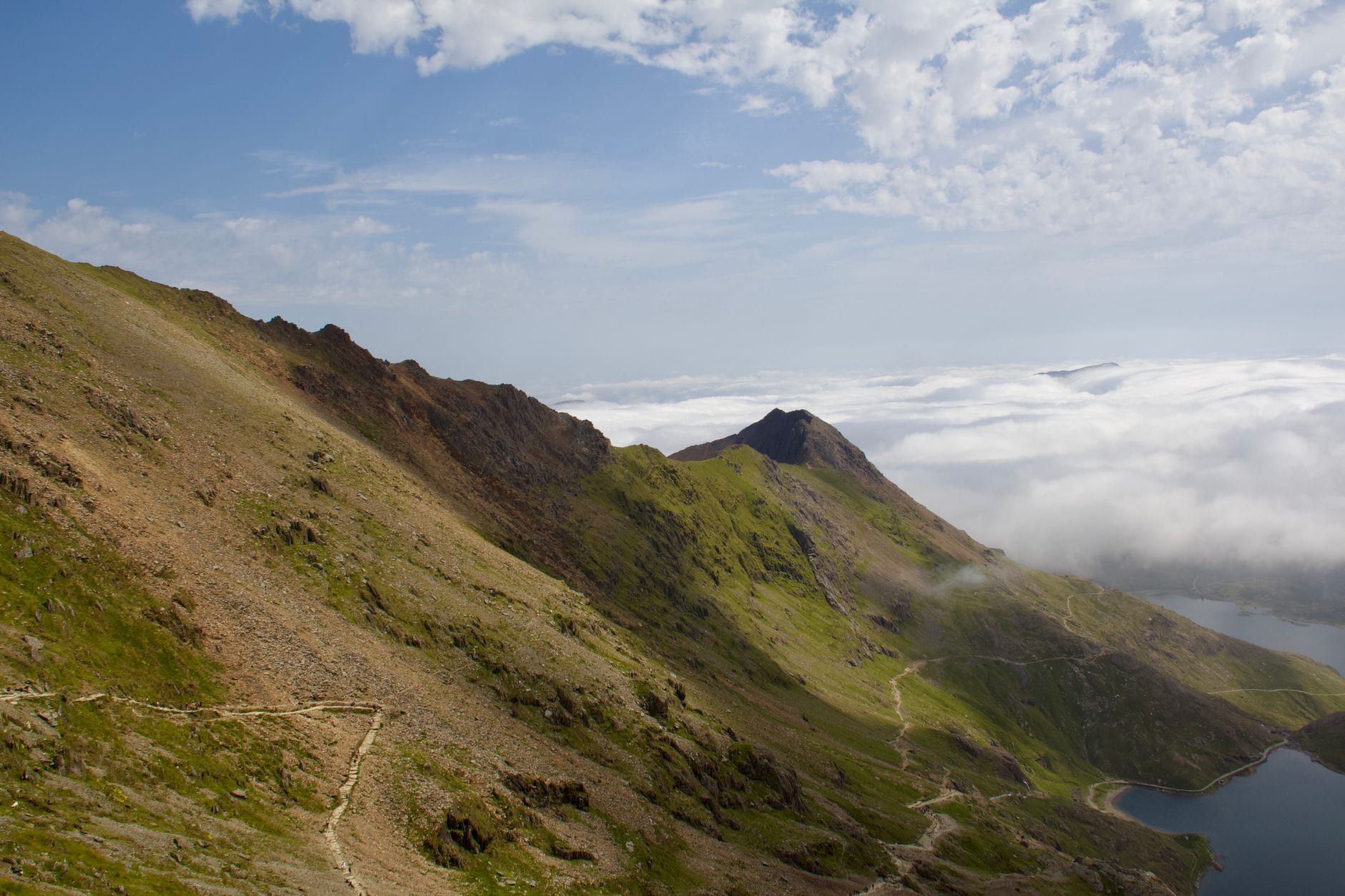
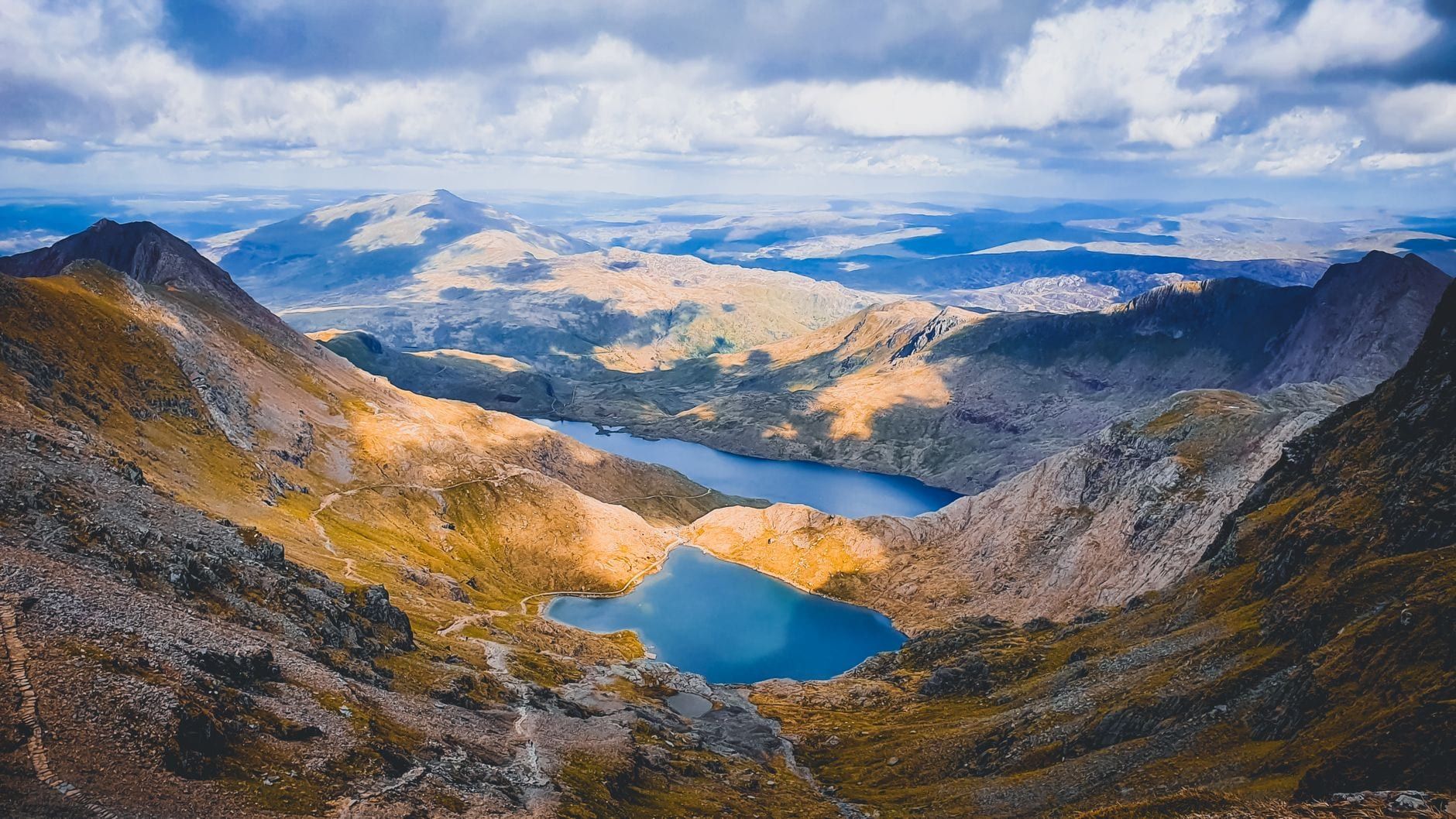
Eryri (Snowdonia) National Park covers 823 square miles of north Wales — nine mountain ranges, 74 miles of coastline, and Yr Wyddfa (Snowdon) at 1,085 m, the highest summit in Wales and England. It became Wales's first national park in 1951, and it camps as well as it walks: more than 100 campsites run from basic grass fields at the foot of Tryfan to lakeside meadows you can swim off and yurts with wood-burning stoves.
There are two ways to sleep under canvas here. The practical mainstay is the official campsite, and this guide organises the best of them by area so you can match a pitch to your plans. The other is wild camping, which is not permitted anywhere in Eryri without prior permission from the landowner — a rule worth understanding before you pitch anything, so we cover it in full below.
Snowdonia Camping at a Glance
Eryri is Wales's largest national park and the third largest in the UK, with the Glyderau, the Carneddau, Cadair Idris, the Rhinogydd and five other ranges spread across Gwynedd and Conwy. Nearly four million people visit a year, over 600,000 of them walking up Yr Wyddfa alone — which is why where you sleep matters as much as where you walk. Camp in the Ogwen Valley and you'll wake under Tryfan's east face; camp at Bala and you're on the water by nine.
The rules in one sentence: official campsites are the mainstay, wild camping needs the landowner's prior permission, and overnight stays in car parks or on verges are banned outright. Most of Eryri's sites take campervans and caravans as well as tents, and toilets and hot showers are standard almost everywhere. Whether you're a family with a six-berth tunnel tent, a van tourer, a glamper, or a bivvy-bag purist, there's a legal way to do it here — this guide covers all four.
Where to Camp in Snowdonia: Best Campsites by Area
Pick your base by what you came for — a summit, a lake, a quiet field — rather than by star ratings. These are the areas that earn their keep.
Llanberis and the Gwyrfai Valley
Llanberis is the busiest base in the park: the Llanberis Path and the mountain railway both start here. Llanberis Touring Park suits wheels rather than nylon — flat hardstanding pitches, electric hook-ups and a motorhome service point. Ten minutes away in the Gwyrfai Valley, Bryn Gloch takes everything from tents to large motorhomes and has an indoor heated swimming pool, which on a wet Welsh afternoon is worth the pitch fee on its own. It's roughly ten minutes from both Llanberis and Caernarfon, with its UNESCO-listed castle.
Nantgwynant and Beddgelert
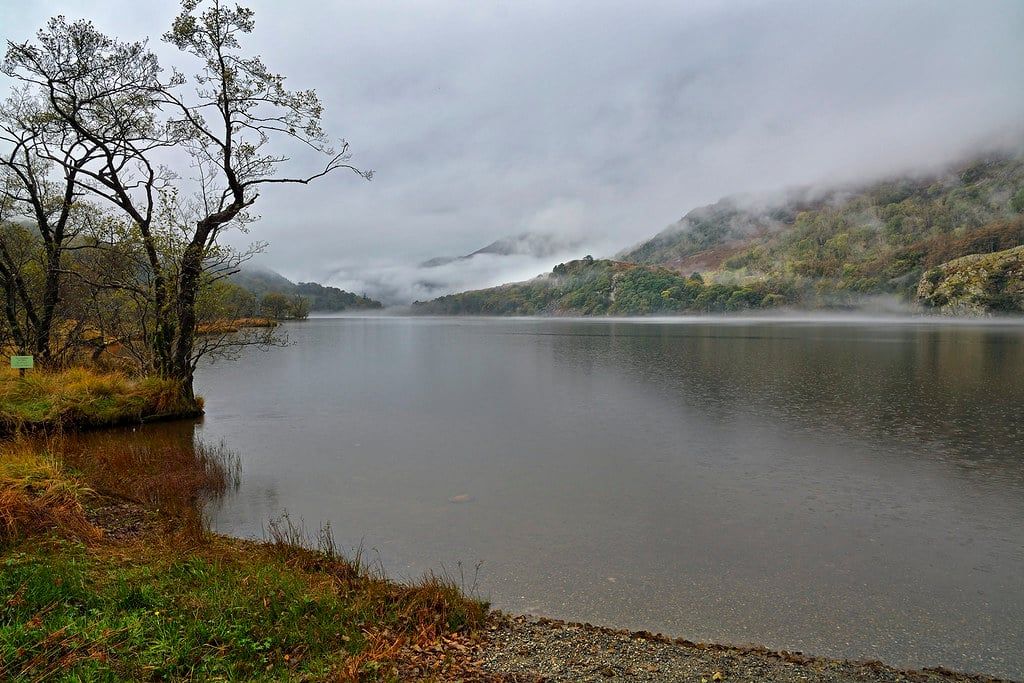
Llyn Gwynant is the classic scenic pick, and the competition isn't close. The site runs along the southern shore of its lake in the Nantgwynant Valley, roughly three miles from the top of Yr Wyddfa, with lakeside pitches, swimming straight off the field and campfires allowed. The Watkin Path starts nearby, so you can be on the mountain within minutes of leaving your tent. The village of Beddgelert, a few miles down the valley, is one of the park's prettiest bases.
Book early — lakeside pitches at Gwynant go first, and it's busy from May onwards.
The Ogwen Valley
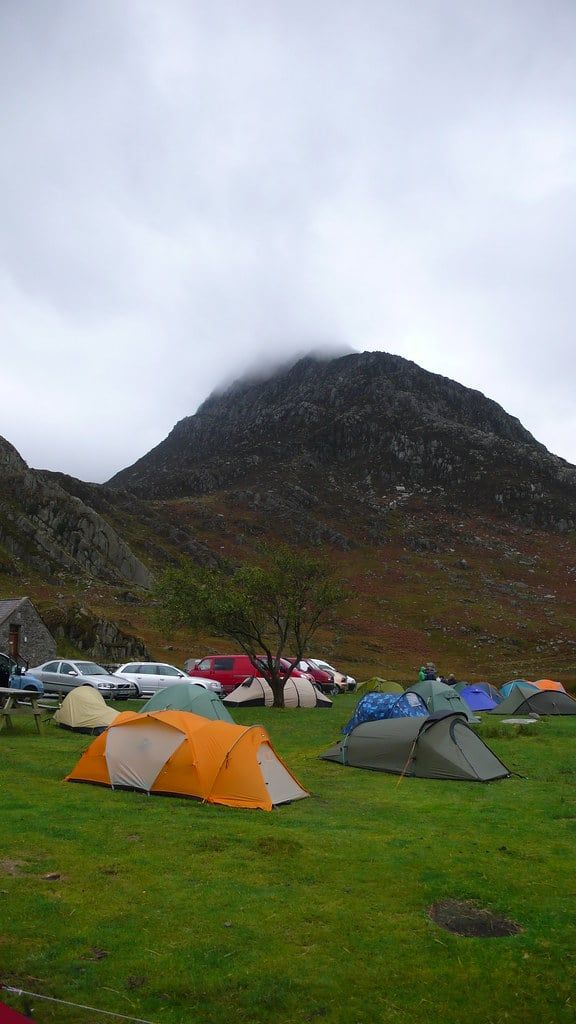
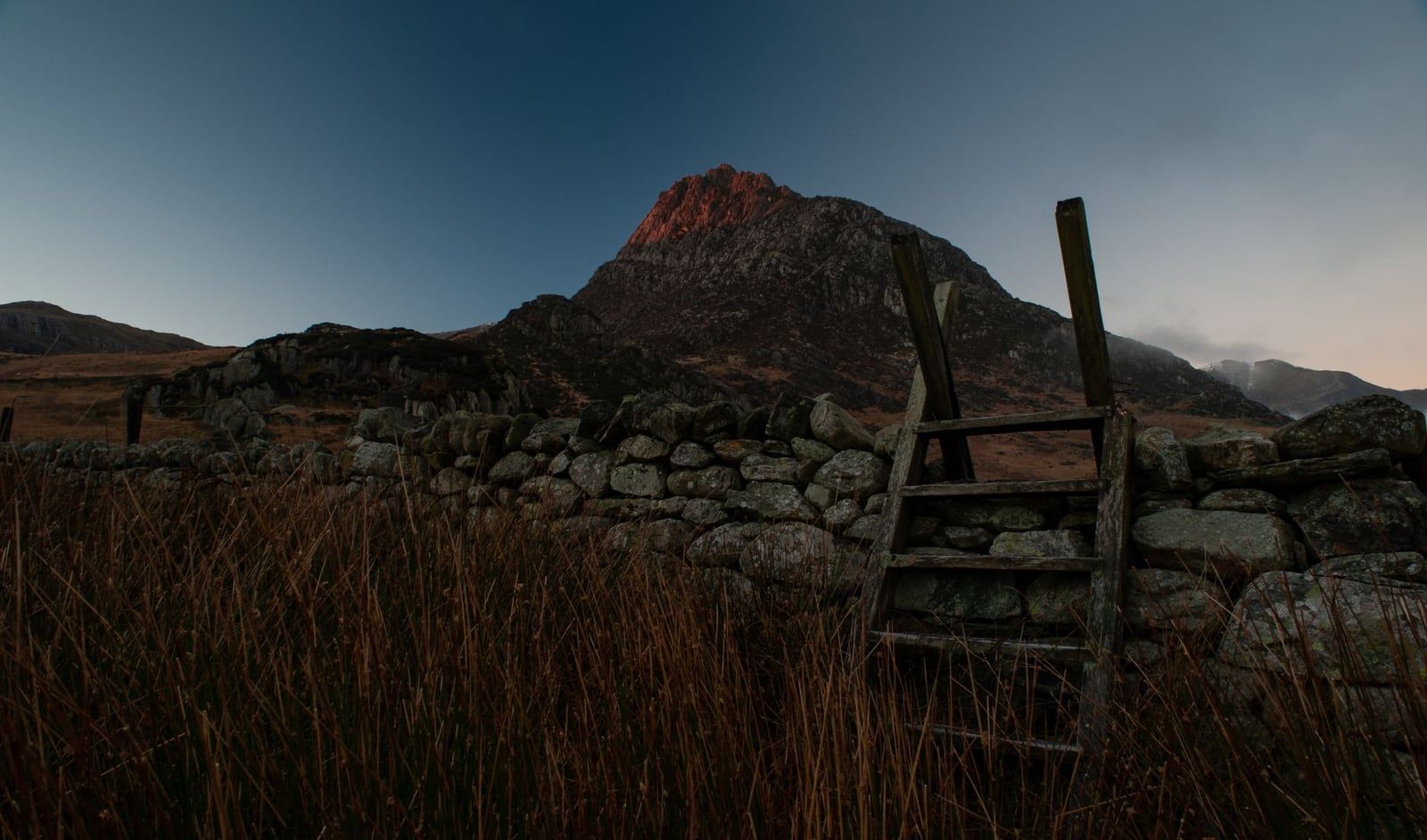
For the Glyderau and the Carneddau, base at Gwern Gof Isaf, at the foot of Tryfan in the Ogwen Valley. It's one of Snowdonia's original campsites, farmed by the same family since 1906, and the pitches sit in rough pasture with Tryfan's slopes rising straight behind them. It's a walkers' site — basic, beautiful, and perfectly placed for scrambles on Tryfan, Bristly Ridge and the Glyder traverse. Gwern Gof Uchaf, its sibling up the valley, is equally well sited.
Betws-y-Coed and the Conwy Valley
The eastern gateway to the park suits first-timers and families. Cwmlanerch, near Betws-y-Coed, requires no booking at all: turn up, pitch on the camping field, pay in the morning — handy when the weather forecast changes your plans. Riverside Touring Park puts you on the river Conwy, and Rynys, two miles from Betws-y-Coed, mixes pitches with a shepherd's hut for anyone who's forgotten their tent. The village itself anchors the Conwy Valley railway line, which runs south past waterfalls along the valley towards Blaenau Ffestiniog.
Bala and Llyn Tegid
Bala is the watersports corner. Pen y Bont and Bwch-yn-Uchaf sit close to Bala Lake's sailing and paddleboarding base, and Tyn-yr-Onnen is a farm site with a children's playground. Four miles from the lake, Tyn Cornel offers riverside pitches, glamping pods and E-bike hire — a good call for families who want flat cycling days as well as mountain ones. If you have a spare afternoon, the park's other attractions, from slate mines to the Ffestiniog Railway, are all within an hour's drive.
Small and Peaceful Farm Sites
Not everyone wants a pool and a shop. Gyfyng Smallholding and Dolgam — the latter just outside Llanberis — offer quiet, small-scale fields where you'll hear sheep rather than generators. For a wider view of where to base yourself across the park, our guide to places to stay in Snowdonia compares the main villages; the short version is Llanberis for the mountain, Betws-y-Coed for transport links, Beddgelert for scenery, Bala for water.
Camping Near Snowdon: Match Your Campsite to Your Route
Where you camp determines which of the six walking routes up Yr Wyddfa you can realistically start — and starting from your pitch beats an hour's drive and a parking battle. Match them up before you book.
| Route | Campsite | Why it works |
|---|---|---|
| Watkin Path (toughest route) | Hafod y Llan (National Trust) | Sits right at the foot of the path — as close to the mountain as you can camp |
| Llanberis Path (easiest route) | Camping in Llanberis / Llanberis Touring Park | About 1 km from the village and the path start; gentlest way up |
| Ranger and Rhyd-Ddu paths | Snowdon Base Camp, Cwellyn Arms | Lakeside on Llyn Cwellyn, closest sites to these two western starts |
Hafod y Llan is the purist's choice: a National Trust campsite at the bottom of the Watkin Path, which climbs 1,085 m by the toughest of the six routes. At the other end of the difficulty scale, camping in Llanberis puts you about a kilometre from the start of the Llanberis Path — the gentlest route, usually 2½–4 hours up. Snowdon Base Camp at the Cwellyn Arms sits beside Llyn Cwellyn nearest the Ranger and Rhyd-Ddu paths, with underfloor heating in the shower block and kiln-dried logs for sale for campfires.
Then there's the Pen y Pass problem. If you want to start from the pass — the Pyg Track and the Miners' Track trailhead — there are only 68 pre-bookable spaces, priced at £25 for up to 8 hours, and they sell out fast for good-weather weekends. Most other foothill car parks are full by 6:30–7am in fine spells, and nearly all cap you at 24 hours, which rules out overnight parking anyway. The workaround is the Sherpa'r Wyddfa park-and-ride: park at Nant Peris (£5/day, card only) and catch the bus up to Pen y Pass for £3.
Tents, Touring & Glamping: Choosing Your Style of Camp
Eryri's sites range from a grass field and a tap to yurts with stoves, so it's worth knowing what standard to expect. Toilets and hot showers are the norm; from there the extras stack up — fire pits, playgrounds, on-site shops, laundry and WiFi. Decide what you actually need before you book, because you'll pay for the difference.
Family Camping
With children, the site is the holiday as much as the mountains are. Bryn Gloch's indoor heated pool saves any wet day, Tyn Cornel's riverside field and glamping pods suit multi-generational trips, and Tyn-yr-Onnen has a playground on hand. One honest note: all six Yr Wyddfa routes are classed as hard or strenuous, so families with young children usually plan valley and lakeside walks — Beddgelert's riverside circular is the classic — and save the summit for another year.
Campervans and Caravans
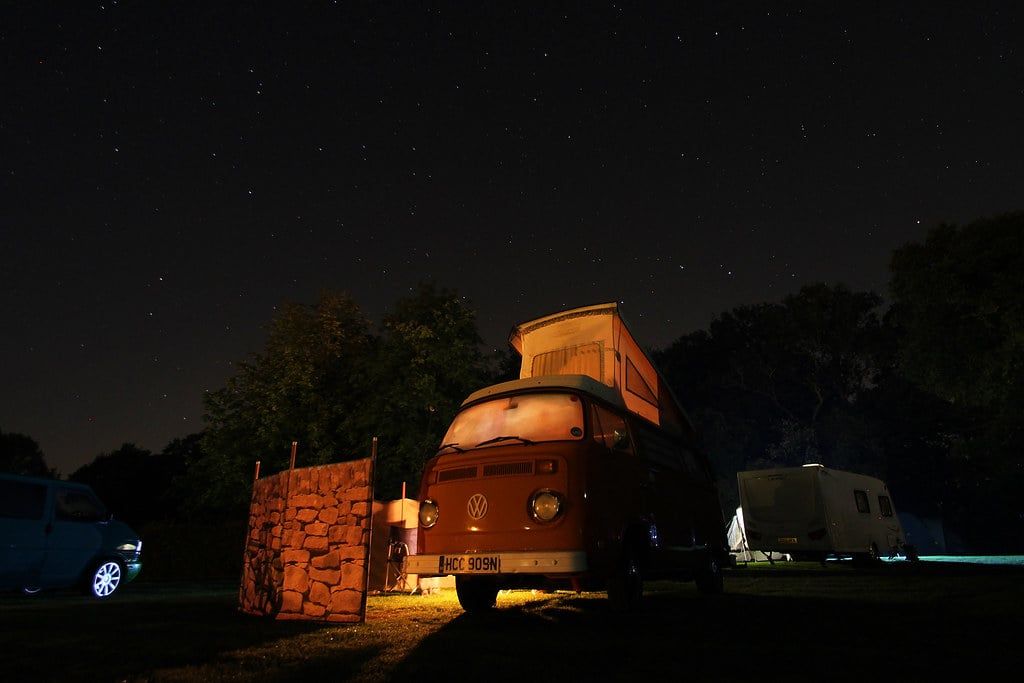
Most of Eryri's official campsites take campervans and caravans. Big rigs do best at Llanberis Touring Park or Bryn Gloch, both built with hardstanding, hook-ups and wide access. Smaller vans have more freedom: Snowdonia Parc and Cwmlanerch both work well for compact set-ups. What you can't do is skip the campsite — overnight stays in car parks and on verges are banned throughout the park, whatever your vehicle.
Glamping
The spectrum runs from basic pods to proper architecture. Bryn Dinas Camping Pods sit a five-minute walk from the start of the Watkin Path, so you can climb Snowdon without ever sleeping on the ground. Living-Room Tree Houses — featured by Lonely Planet — take the concept to its ceiling, while Snowdonia Farm Holiday's yurts and the shepherd's huts at Rynys and Graig Wen fill the middle. Bring wet-weather clothes either way; a yurt is still a tent.
Nearly Wild
If your real goal is solitude but not law-breaking, 'nearly wild' camping is the middle ground: bookable, no-frills pitches on uncultivated private land. You get the quiet field and the stars without the permission problem — and if you later want the full wild experience, you'll at least know the code (below). For nervous first-timers, Cwmlanerch's no-booking, pay-in-the-morning field is a gentle place to learn the ropes.
Wild Camping in Snowdonia: Rules, Reality and the Wild Camping Code
The legal position is unambiguous, and it comes straight from the Park Authority: wild camping is not permitted anywhere in Eryri without prior permission from the landowner or farmer. The Authority owns very little land itself, so it cannot grant consent on your behalf — not on agricultural land, not in forests, not on National Trust property, and not on CROW open country, where the Countryside and Rights of Way Act's Schedule 2(1) restrictions exclude camping from the access rights altogether. Older guides that call wild camping 'accepted' here are out of date; the Authority tightened its guidance in 2021 and now cracks down on fly-camping damage.
The reality on the hill is greyer. Discreet, one-night camps by one or two tents, pitched late and left early with no trace, have long been practised in Eryri's quieter ranges and remain common. But tolerated is not legal, and if a landowner or farmer asks you to move, you move — politely and immediately. Sleeping in a car park or on a verge, in a tent or a van, is banned at all times; there's no grey area there at all.
If you do camp wild — with permission, or accepting the risk — follow the Eryri Wild Camping Code to the letter. Camp high on open fells, well away from houses. Pitch late, leave early, stay one night only. One or two tents, never groups. No fires and no disposable barbecues. Bury toilet waste at least 15 cm deep, at least 30 m from water and paths. Carry out everything you carried in, including fruit peel. And if you're asked to move on, do it without argument.
Finding a spot is a map exercise. Use contour lines to identify flat ground about two kilometres from the nearest road, check for a running water source, and avoid both boggy ground and exposed summits — the latter for safety, the former for a dry night's sleep. Mark two to four candidates on the map before you set out, so a taken or waterlogged first choice doesn't leave you guessing in failing light. The whole park is covered by three Ordnance Survey sheets: OL17 (north), OL18 (middle) and OL23 (south).
Where does it genuinely work? The Carneddau — Cwm Eigiau and the flanks of Carnedd Dafydd — are the classic choice, with wide, high ground and few houses. The Moelwynion around Cnicht, the Rhinogydd around Llyn Du, Cadair Idris in the south, and the Ogwen and Glyderau uplands all hold real possibilities. Yr Wyddfa itself does not: it's the park's busiest hill, over 600,000 ascents a year, with a café and railway station on the summit. Camp on the quieter fells nearby instead. If weight matters more than comfort, a bivvy bag replaces the tent entirely — smaller, harder to spot, and quicker to pack at dawn.
When to Go & How to Book
The Park Authority's busy season runs April to September, and campsites fill quickly within it — book well in advance, and expect bank holidays and school holidays to sell out first. Midweek is the reliable hack: same mountain, thinner crowds, easier pitches. Spontaneous trips work best in autumn or at no-booking sites like Cwmlanerch.
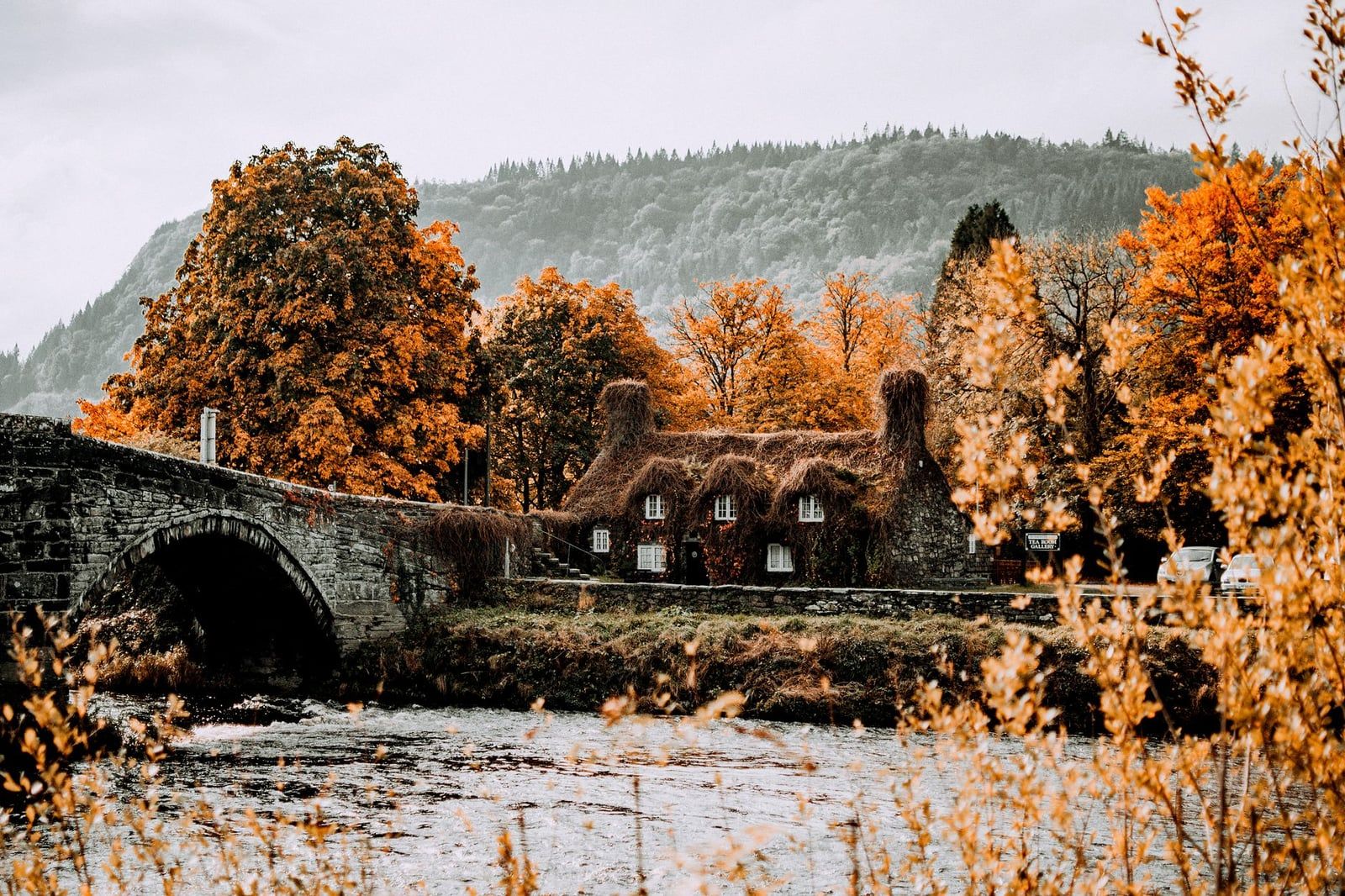
Summer is statistically the driest and warmest season — day temperatures around 17–19°C from June to August — and around 21 June you get nearly 17 hours of daylight, enough to walk up Yr Wyddfa after dinner. The price is people: July and August bring the school-holiday crush, and August averages about 14 rainy days anyway. Spring can be lovely by day but frosts strike well into April, so pack a 3- or 4-season sleeping bag. Late September into October delivers the best colour with the fewest tents. From November to February the summit railway stops, daylight shortens, and the mountain holds snow and ice — that's winter in Snowdonia, a different discipline entirely.
Getting There and Around Without Adding to the Traffic
By train, the Chester–Holyhead line calls at Llandudno Junction, where you change onto the Conwy Valley Line for Betws-y-Coed — the park's gateway village, about 20 km from Snowdon, and one of its two main rail stations alongside Blaenau Ffestiniog. Coming from London, Avanti West Coast runs direct to Bangor, the nearest mainline station, in around 3 hours 20 minutes, with bus connections into the park. Full route options are in our guide to getting to Snowdonia.
The Sherpa'r Wyddfa bus network is the piece most visitors miss. It links Bangor, Betws-y-Coed, Llanberis, Pen y Pass, Beddgelert and Porthmadog, so you can stay car-free and still reach the trailheads — £3 for a single to Pen y Pass from anywhere on the network, £5.50 for a day ticket, £1 for children. Dogs ride too.
If you drive — and most campers do, for the gear — the arithmetic is blunt. Foothill car parks fill by 6:30–7am on good-weather weekends, most cap stays at 24 hours, and Pen y Pass must be pre-booked. Park at Nant Peris (£5/day) and ride the Sherpa up, or better, choose a campsite within walking distance of your route start and leave the car where it is. Sleeping in the car overnight, in any car park, is prohibited.
Essential Tips & Kit for Camping in Snowdonia
Eryri's weather changes fast at any time of year — this is a mountain range meeting the Atlantic. Kit accordingly, even for a campsite trip in July:
- Full waterproofs and boots with real grip — wet rock is slick, and twisted ankles are among the park's most common injuries
- A 3- or 4-season sleeping bag outside high summer; frosts are possible well into April
- Headtorch, stove and matches — fires are banned when camping outside official sites
- OS Explorer maps OL17, OL18 and OL23 cover the whole park; download offline mapping as backup
- Phone signal is patchy in the valleys — tell someone your plan and return time
- Check the Met Office Snowdonia mountain forecast the night before and again in the morning
The etiquette matters as much as the kit. There are no bins on Yr Wyddfa, so carry out everything you carry in — organic waste included. Don't park across farm entrances or on verges. Keep noise and lights down when you start early near houses. Every fly-camped fire ring and abandoned tent makes the case for tighter rules, and the responsible campers are the ones who keep access open for everyone else. If a site is full or a farmer asks you to move, have a plan B in mind before you need it.
And if you'd rather leave the summit-day logistics to someone who knows the paths, the region's guided tours of Snowdonia pair neatly with a campsite stay — walk with a guide, then return to your own tent.
Frequently asked questions
Can you wild camp in Snowdonia?
Not legally. The Park Authority's current guidance states that wild camping is not permitted anywhere in Eryri without prior permission from the landowner or farmer, and the Authority cannot grant that permission itself because it owns little land. Discreet, leave-no-trace camping by one or two tents away from roads has long been practised and is often tolerated, but the official recommendation is to use one of the park's 100-plus campsites.
Is wild camping legal anywhere in the UK — why is Wales different?
No. Scotland's Land Reform Act gives a legal right to wild camp, and parts of Dartmoor have long-standing access rights. In Wales and England, the CROW Act's Schedule 2 restrictions exclude camping from access land unless the landowner grants permission — so in Eryri the only fully legal route is through the landowner.
Do you need to book Snowdonia campsites in advance?
Yes, from April to September. The Park Authority says campsites fill quickly through these months and advises booking well in advance. Bank holidays and school holidays go first; midweek stays are much easier and quieter. A handful of sites, such as Cwmlanerch near Betws-y-Coed, take turn-ups.
What's the best campsite for climbing Snowdon (Yr Wyddfa)?
Match the site to your route. Hafod y Llan (National Trust) sits at the foot of the Watkin Path; camping in Llanberis puts you about 1 km from the Llanberis Path start; Snowdon Base Camp at the Cwellyn Arms is closest to the Ranger and Rhyd-Ddu paths. Pen y Pass parking sells out fast, so use the Sherpa'r Wyddfa bus from Nant Peris if you're starting there.
Can you park or sleep overnight in a campervan in Snowdonia car parks?
No. Overnight stays in car parks or on roadside verges are not permitted anywhere in the National Park, in any vehicle. Use an official campsite — most of Eryri's sites take campervans and caravans.
When is the best time of year to camp in Snowdonia?
Summer is the driest and warmest, with nearly 17 hours of daylight around 21 June — but also the busiest. Spring days can be warm while frosts hit well into April, so take a 3- or 4-season sleeping bag. Late September into October brings the best colour and the fewest people. The booking season runs April to September.
Where are the best wild camping areas in Snowdonia?
The practised areas are the Carneddau (Cwm Eigiau, Carnedd Dafydd), the Moelwynion around Cnicht, the Rhinogydd around Llyn Du, Cadair Idris, and the Ogwen and Glyderau uplands. All still require landowner permission, and all demand strict leave-no-trace practice — pitch late, leave early, one night only.
Are campfires allowed when camping in Snowdonia?
Not when camping outside official sites: the Eryri Wild Camping Code bans fires and disposable barbecues outright. Some official campsites do allow them — Llyn Gwynant permits lakeside campfires and the Cwellyn Arms sells kiln-dried logs — so check each site's rules before striking a match.